

Project Description
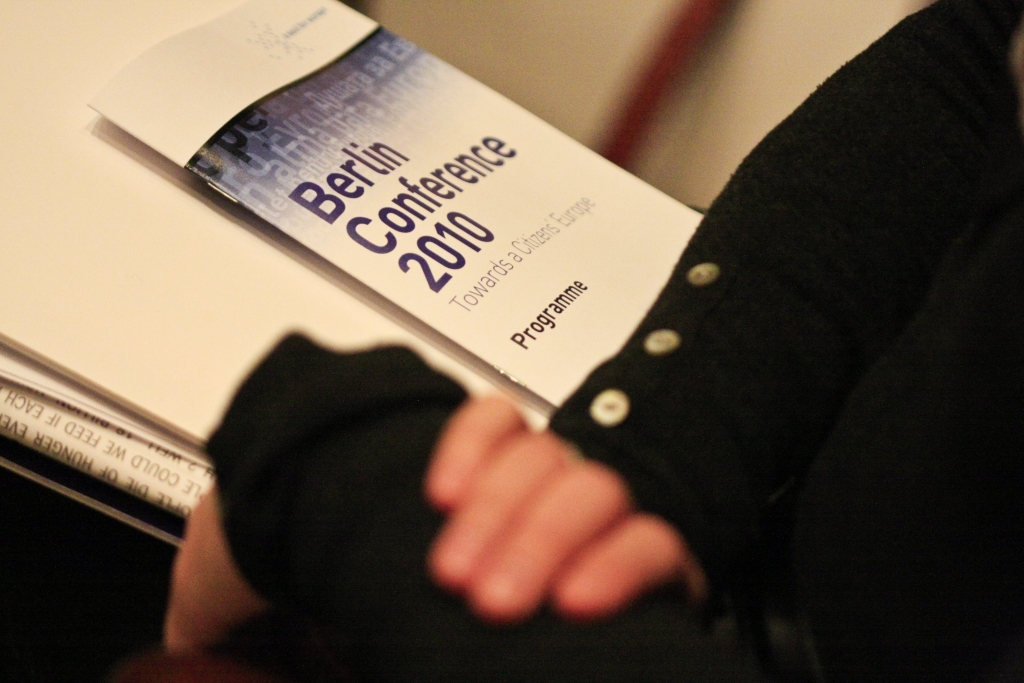
Berlin Conference 2010
Towards a Citizens’ Europe
Berlin Conference 2010
Towards a Citizens’ Europe
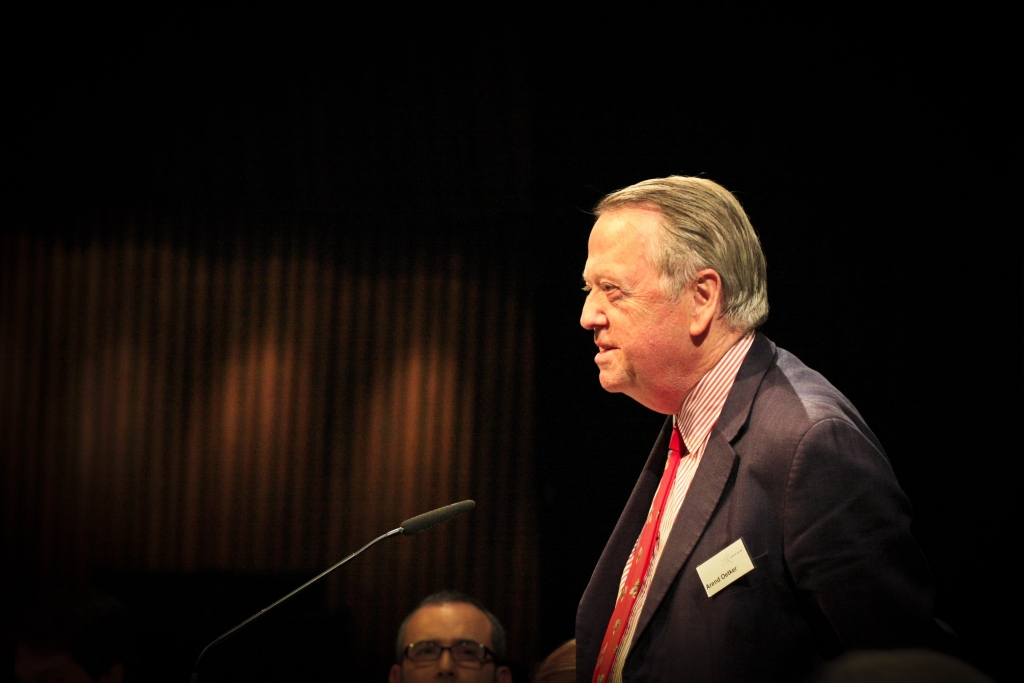
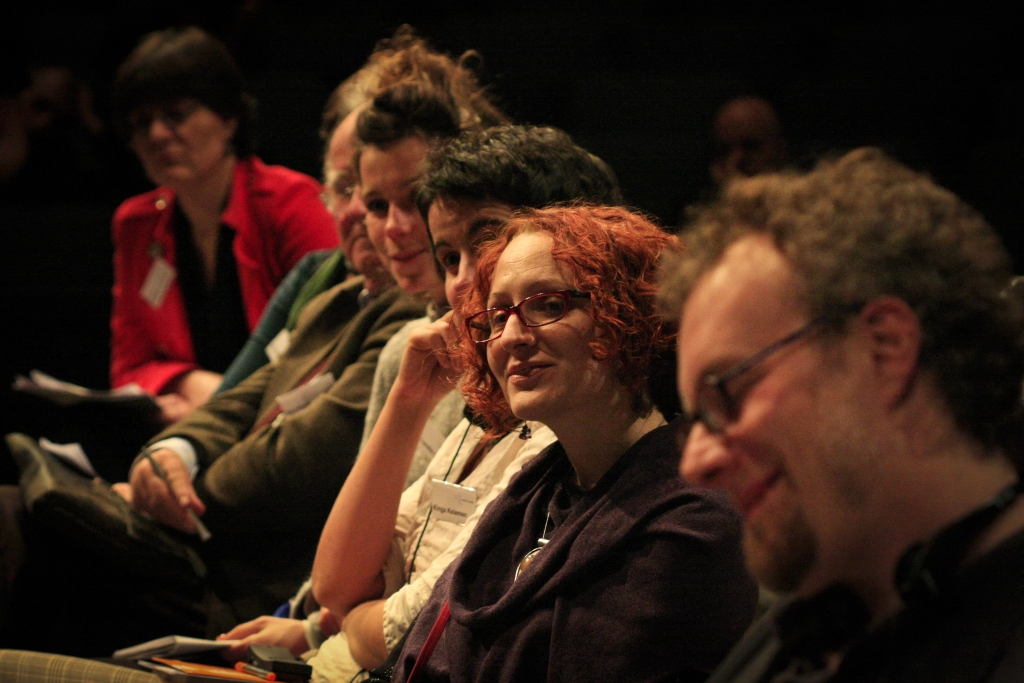
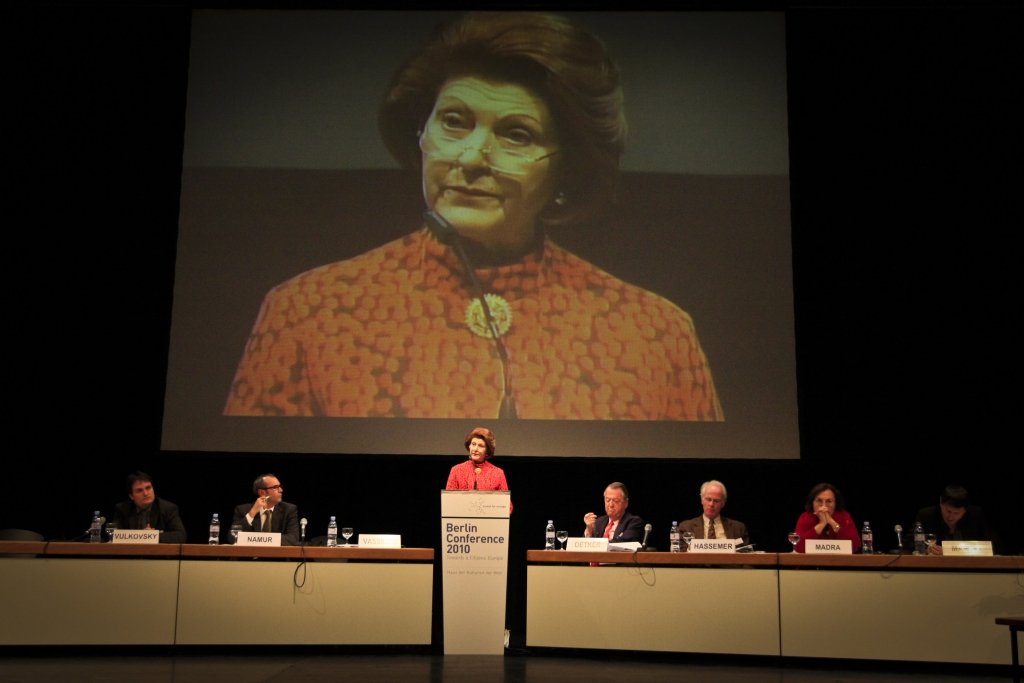
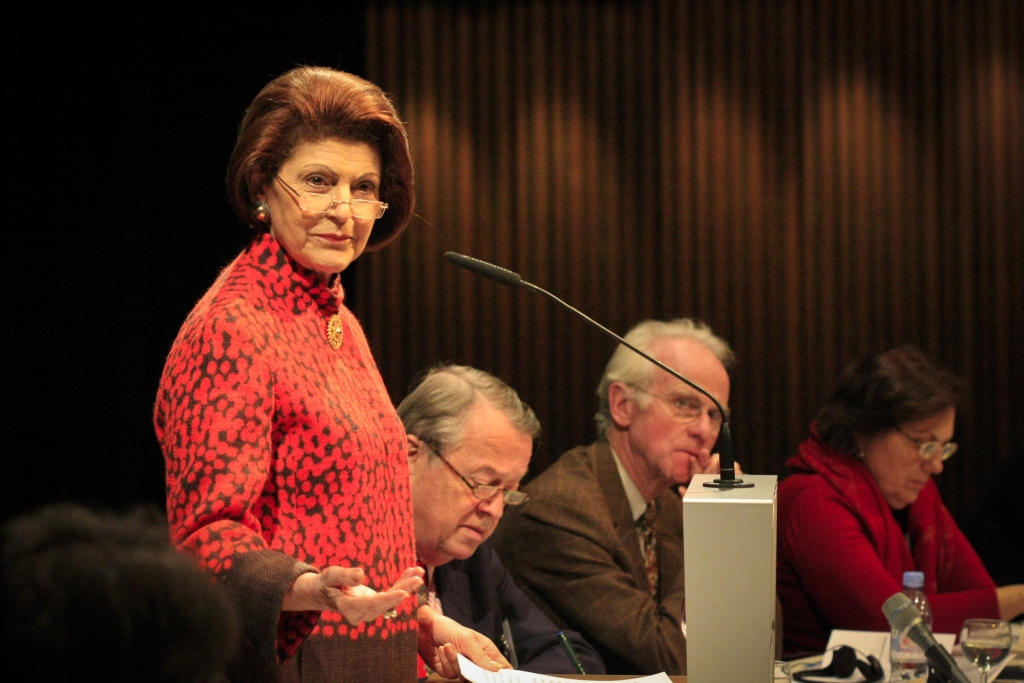
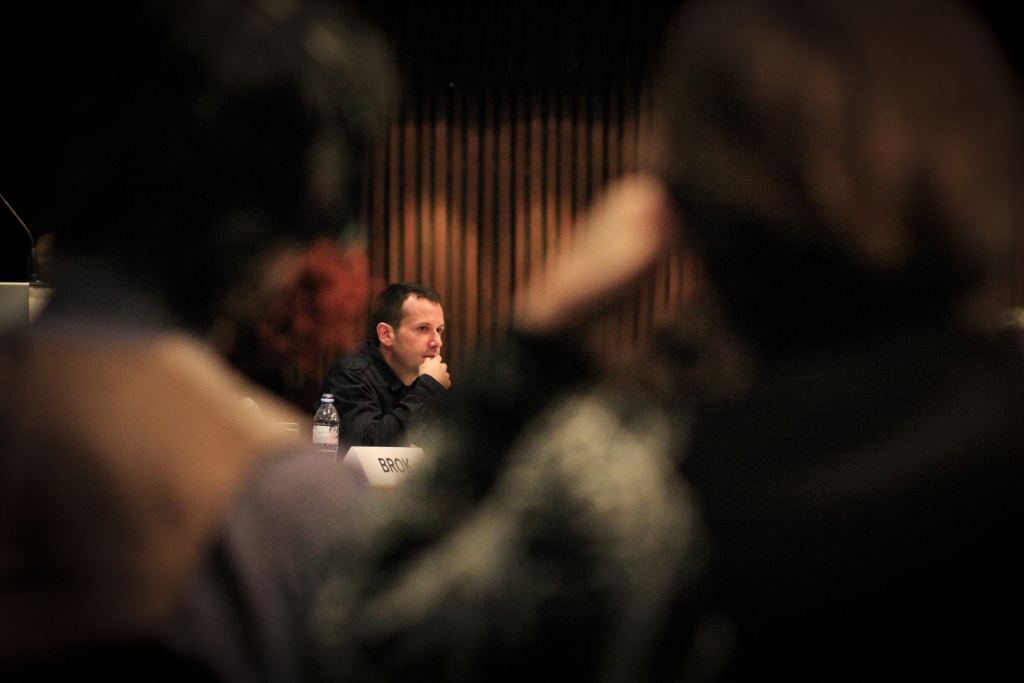
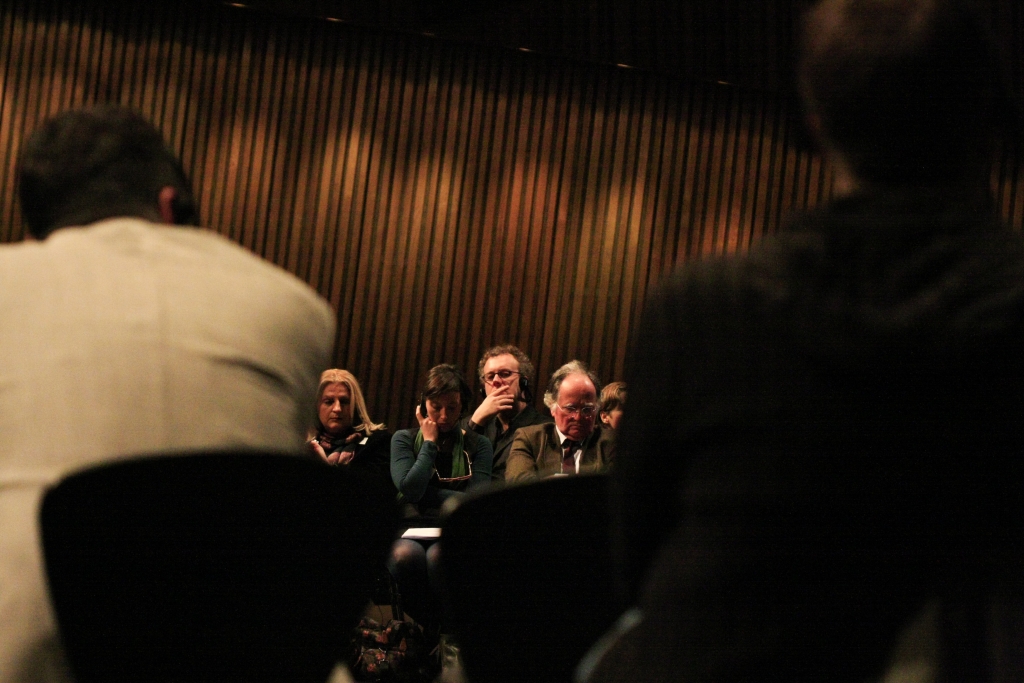
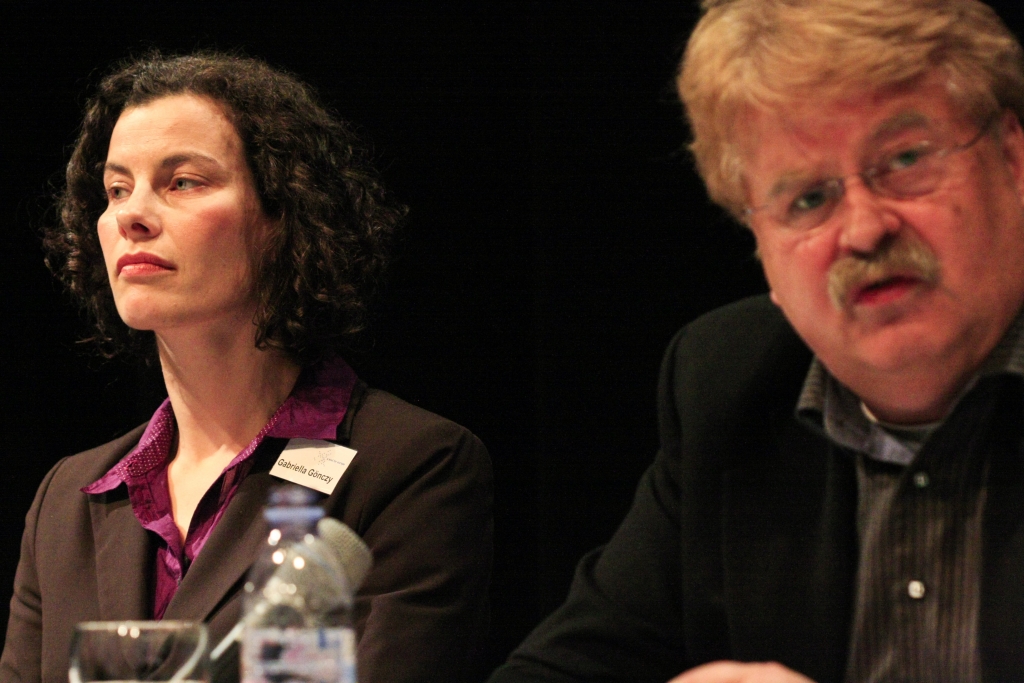
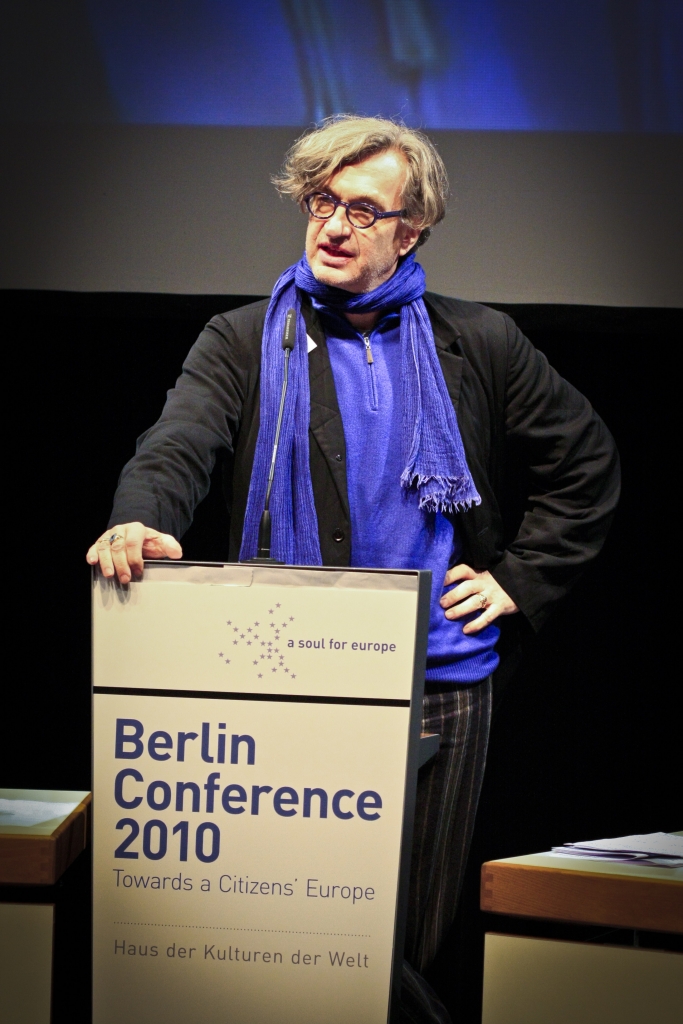
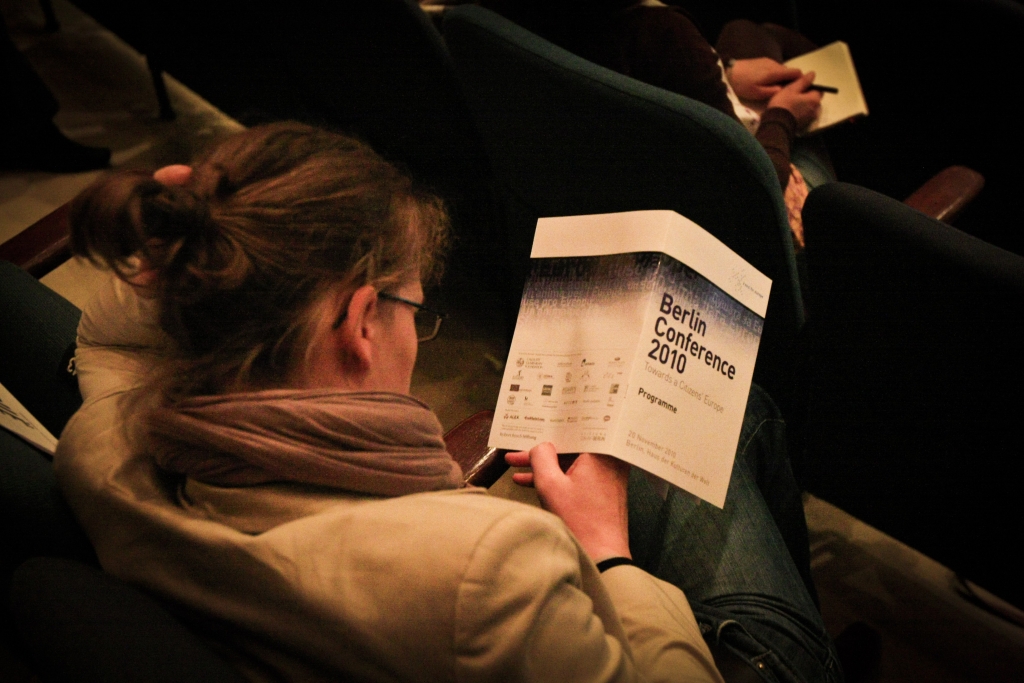
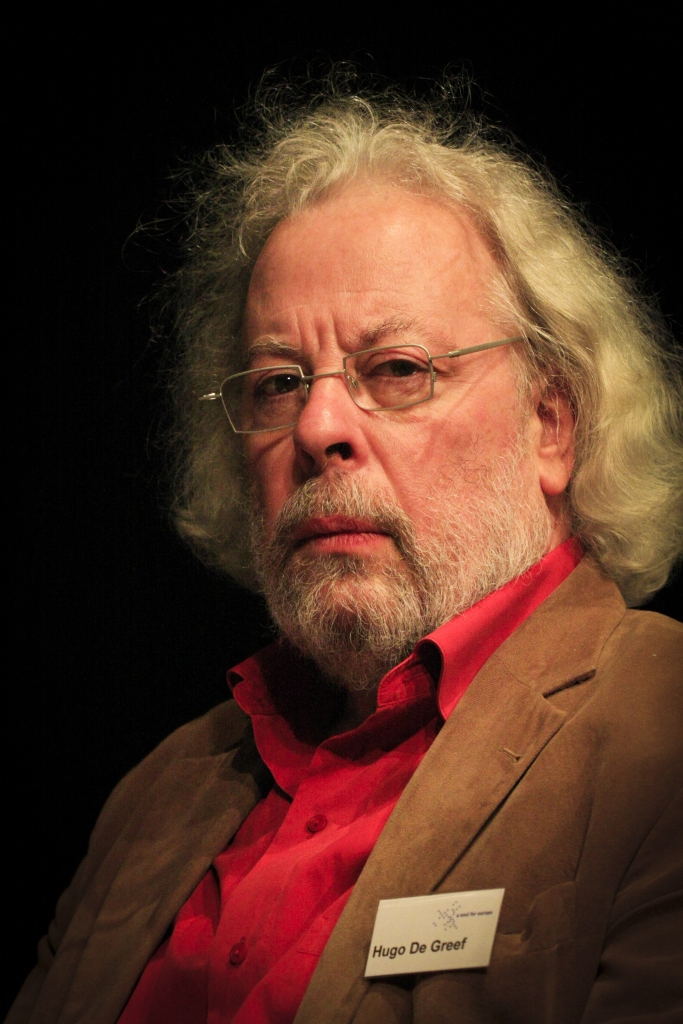
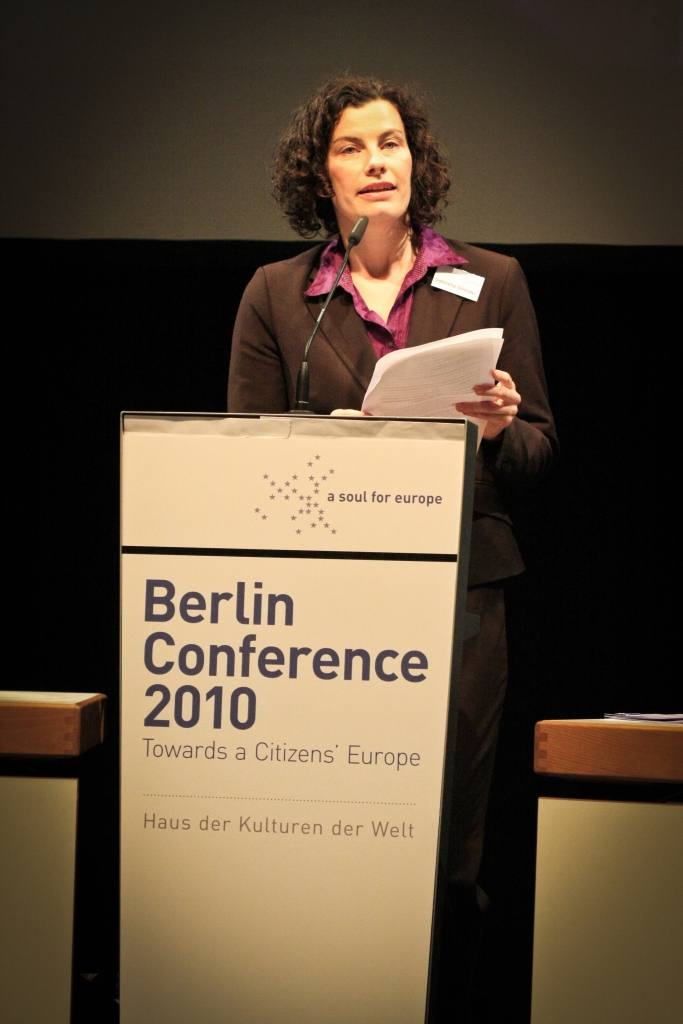
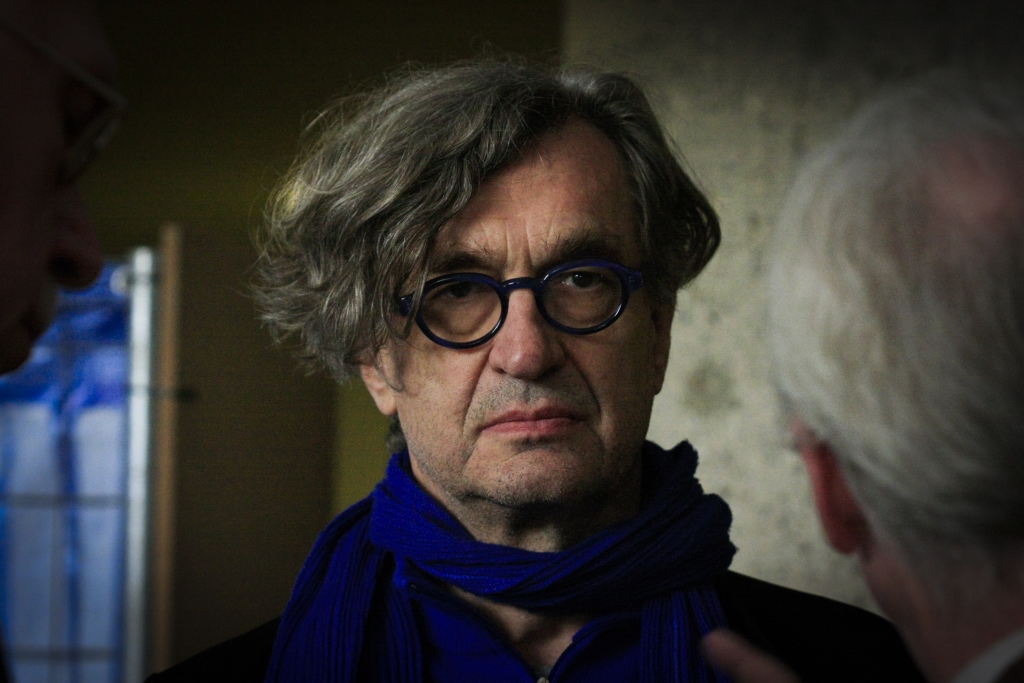
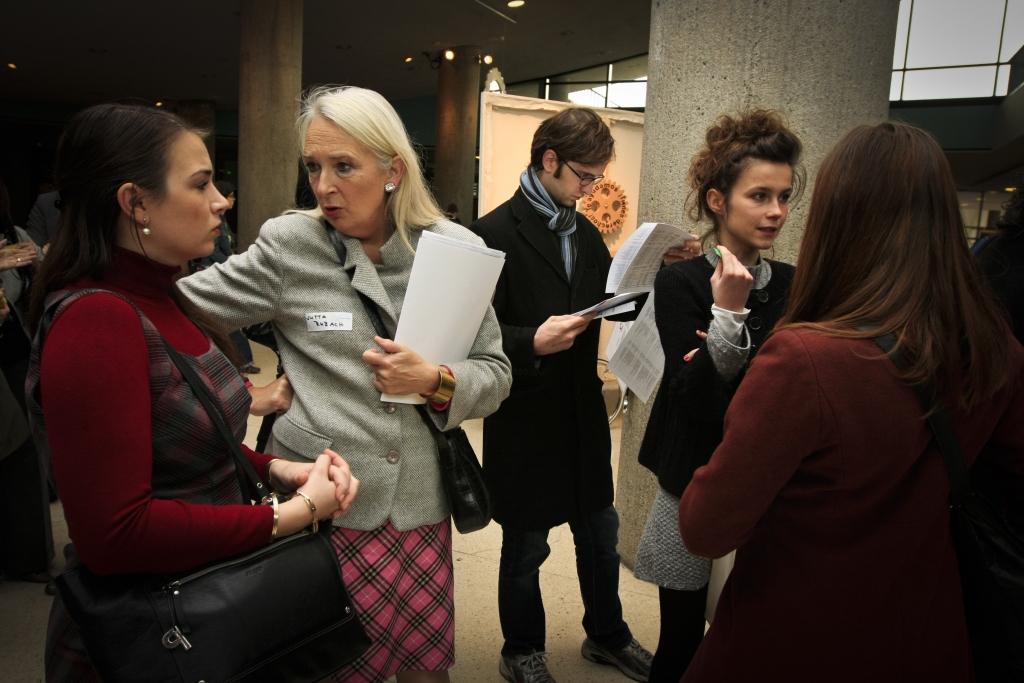
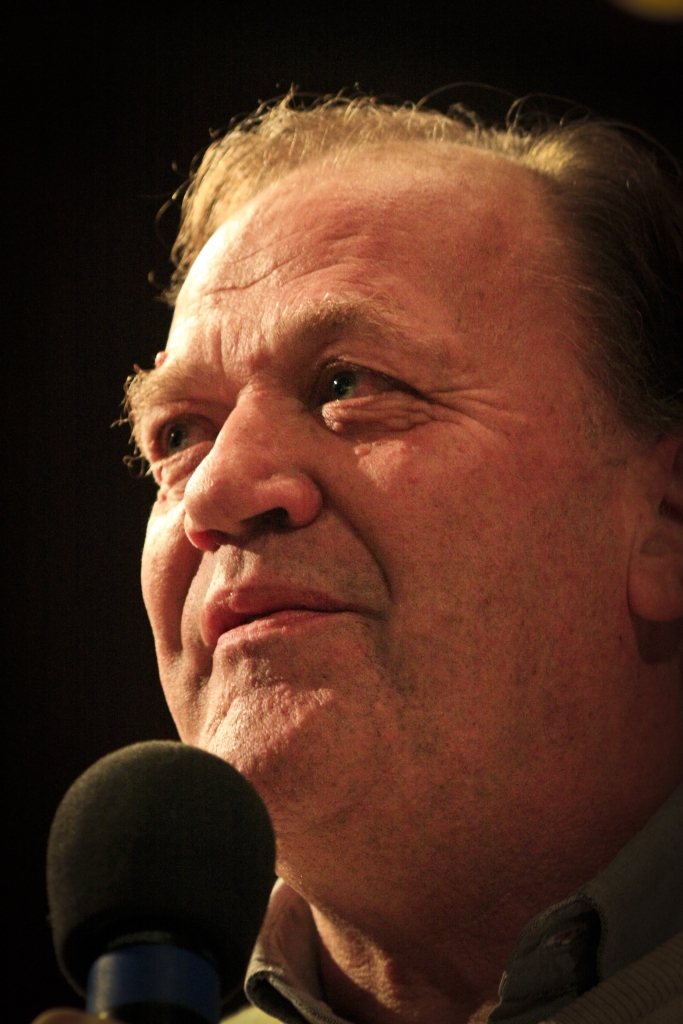
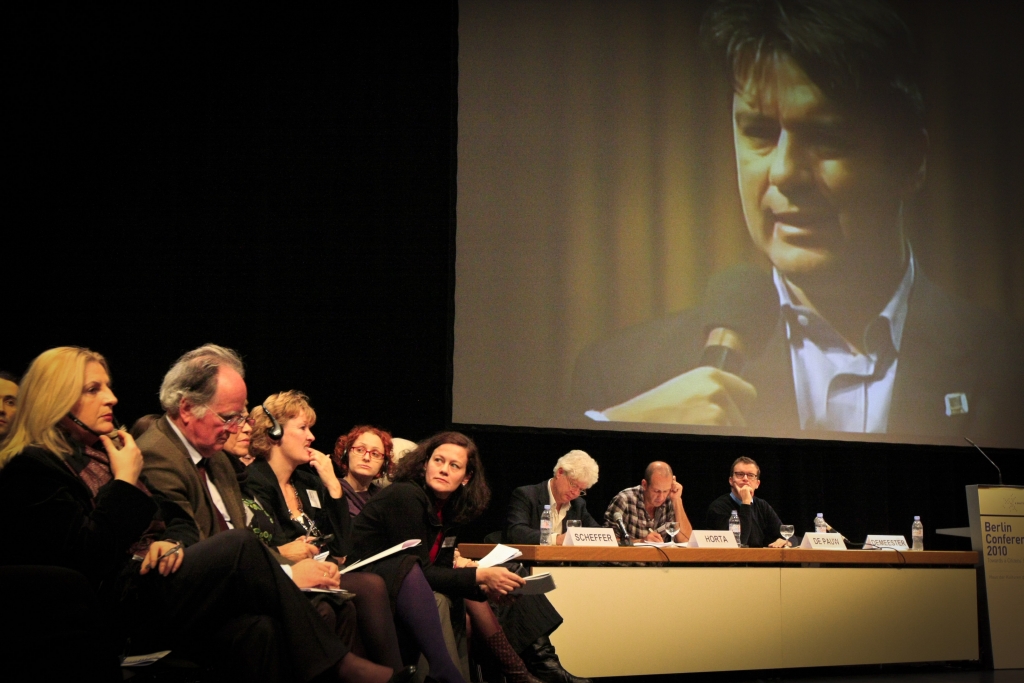
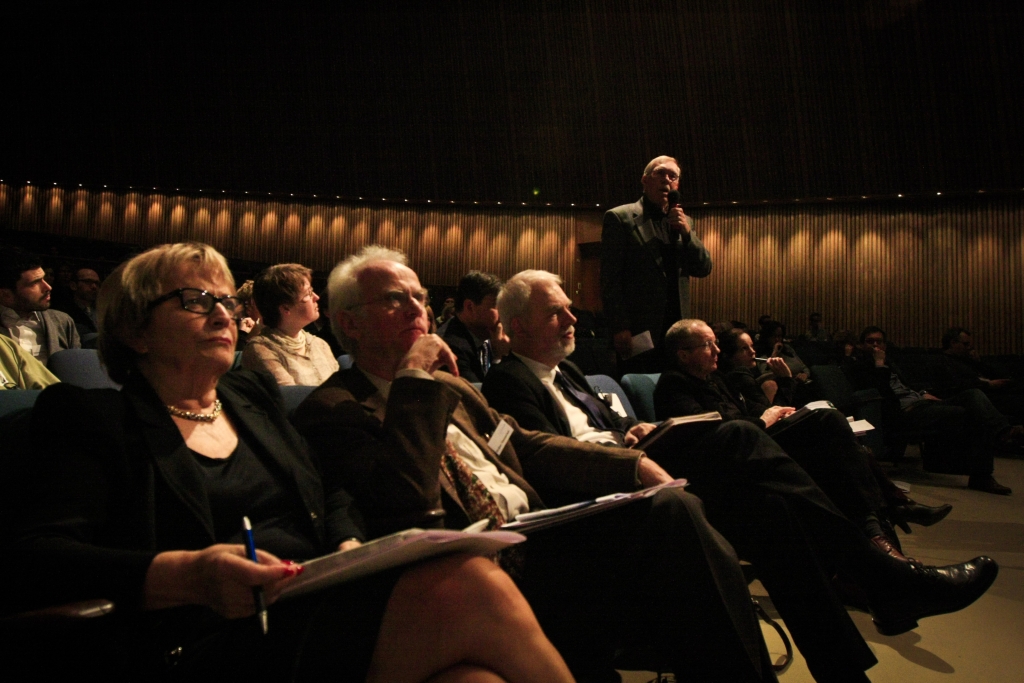
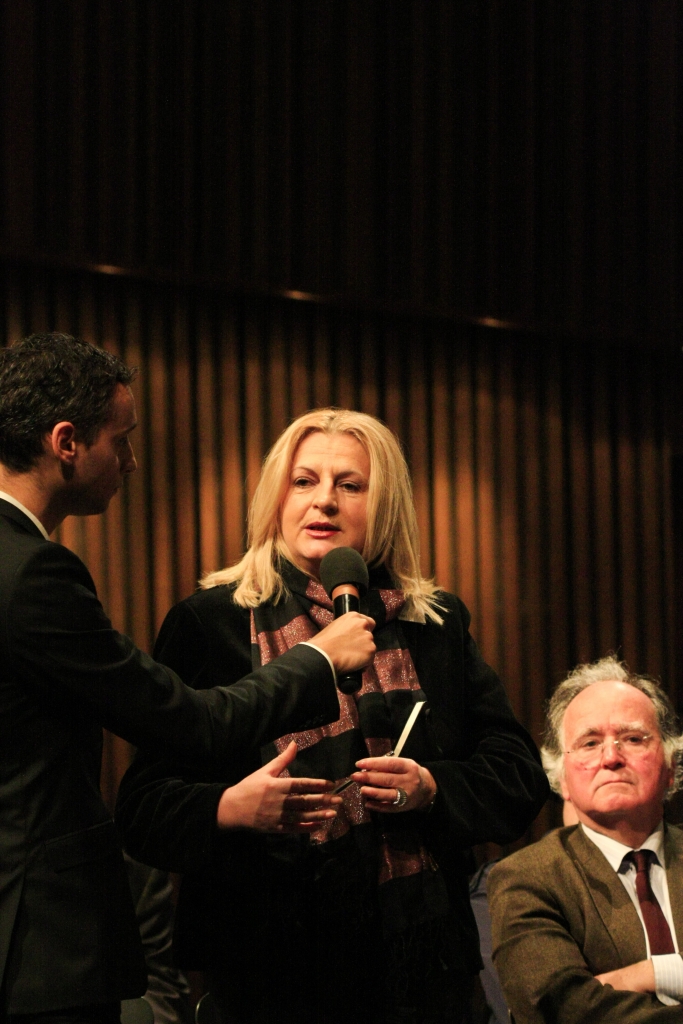
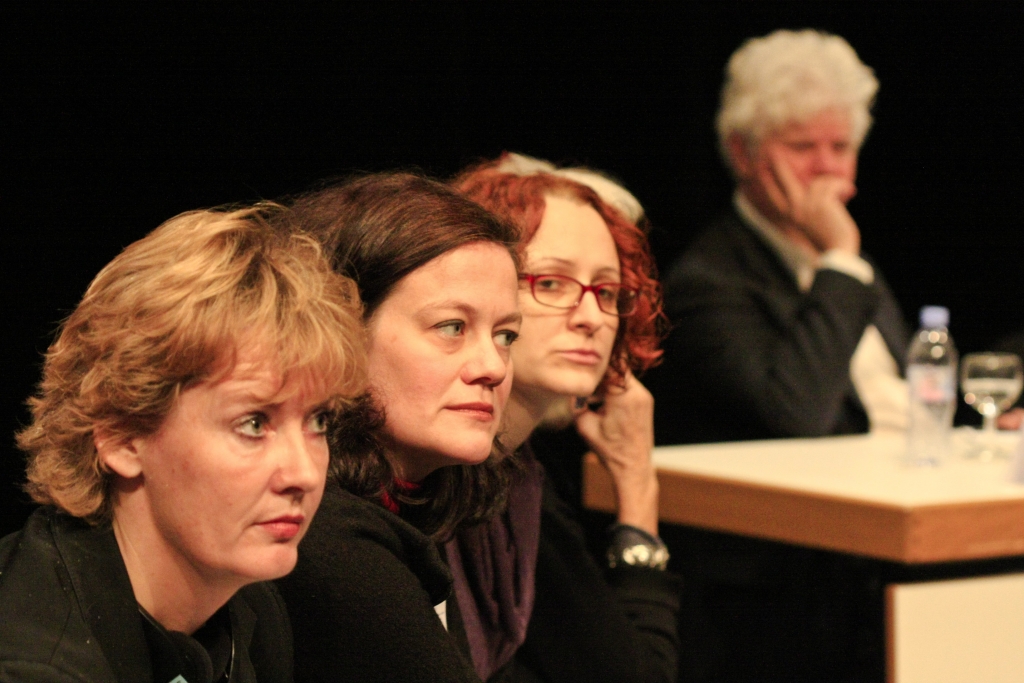
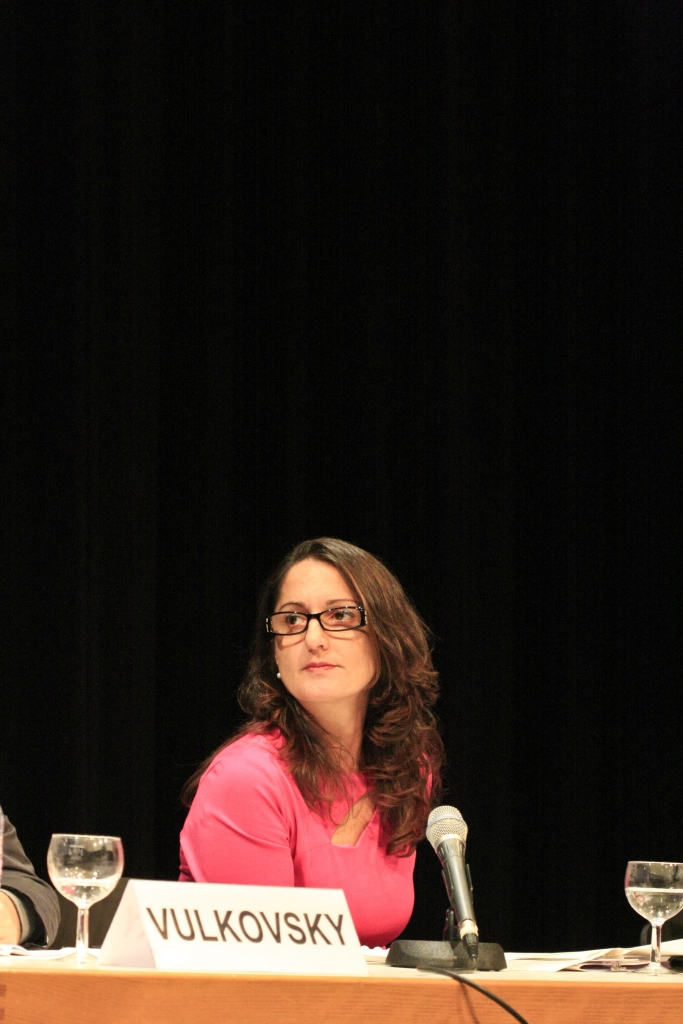
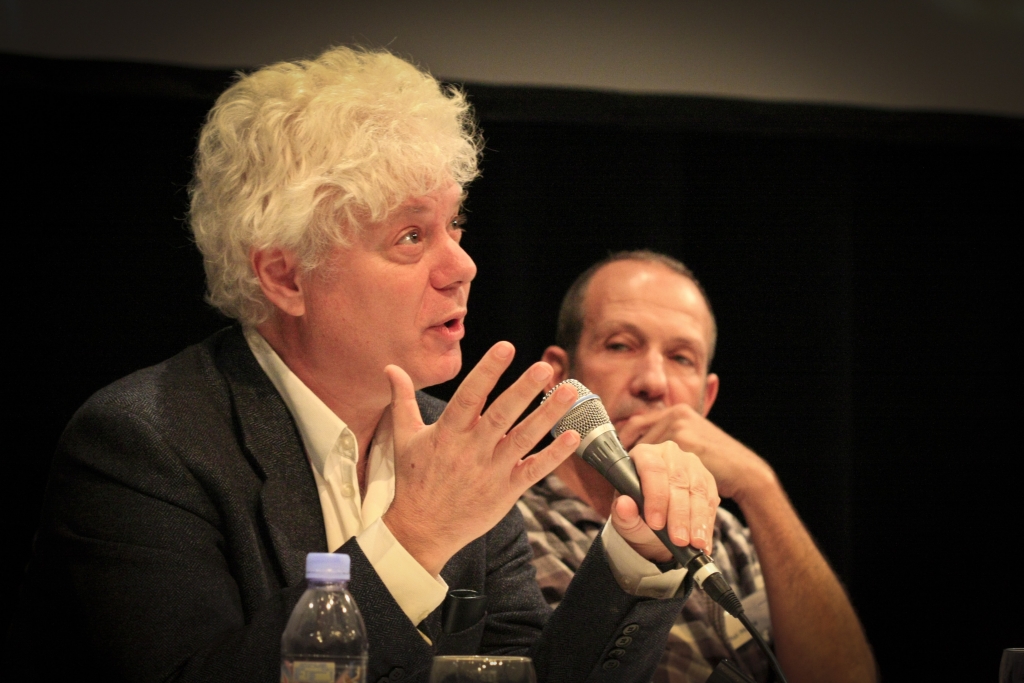
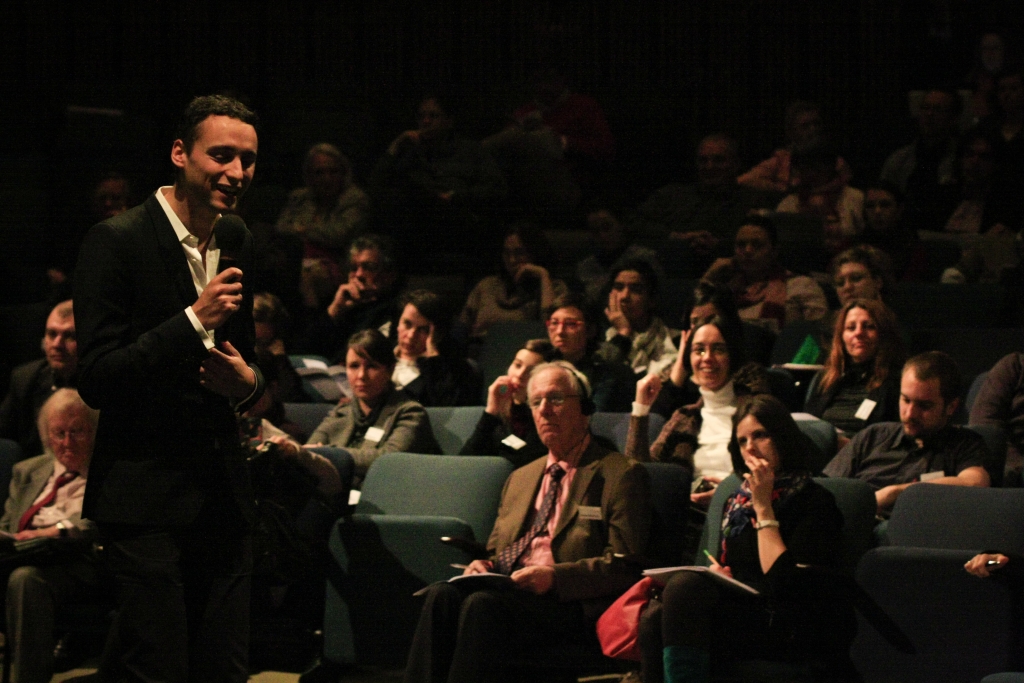
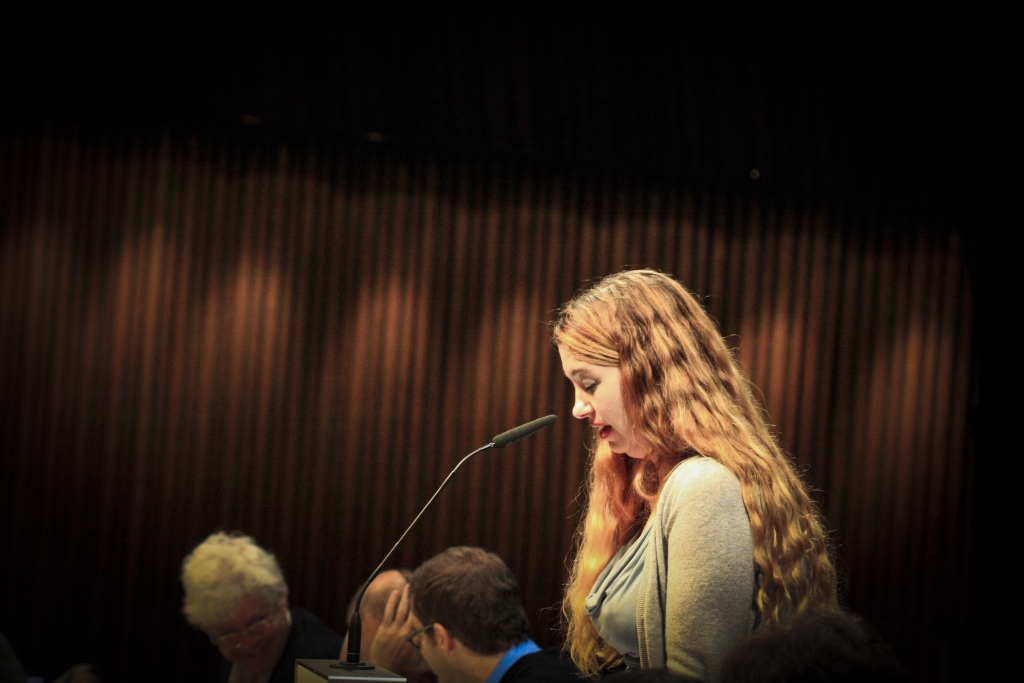
This conference, which took place on 20 November 2010 in the Haus der Kulturen der Welt (House of World Cultures), was based on the conviction that Europe has to become a concern of its citizens, not only of its institutions. We are in need of an active Europe: A Europe of the citizens, not merely for the citizens. A new understanding of (cultural) citizenship is required to create Europe from the bottom up. How can citizens play a bigger role in creating Europe? How can they take a hand in Europe’s political mechanisms? And how can culture, business and politics foster such a development?
The main topics of the Berlin Conference 2010 were
- The Role of the Citizen in Building Europe
- The Image of Europe
- New Forms of Cooperation between Culture, Business and Politics
With the support of our Parliamentarian Working Group, the developed ideas will be transferred into European decision-making.
Here you can find the conference programme, the press release as well as statements of participants of the 2010 conference.
The Berlin Conference followed up the results from the Istanbul Forum in October 2010 on ‘Global Challenges – Cultural Visions’. As a centre for global cultural dialogue, Istanbul’s geographical position is unique. Outcomes from the Istanbul Forum were integrated into the Berlin Conference.
The combination of the two events is supposed to lead to powerful outcomes for a new European cultural agenda to be carried forward by citizens, civil society and by the institutions, both inside and outside the EU’s current borders.
Gallery













This conference, which took place on 20 November 2010 in the Haus der Kulturen der Welt (House of World Cultures), was based on the conviction that Europe has to become a concern of its citizens, not only of its institutions. We are in need of an active Europe: A Europe of the citizens, not merely for the citizens. A new understanding of (cultural) citizenship is required to create Europe from the bottom up. How can citizens play a bigger role in creating Europe? How can they take a hand in Europe’s political mechanisms? And how can culture, business and politics foster such a development?
The main topics of the Berlin Conference 2010 were
- The Role of the Citizen in Building Europe
- The Image of Europe
- New Forms of Cooperation between Culture, Business and Politics
With the support of our Parliamentarian Working Group, the developed ideas will be transferred into European decision-making.
Here you can find the conference programme, the press release as well as statements of participants of the 2010 conference.
The Berlin Conference followed up the results from the Istanbul Forum in October 2010 on ‘Global Challenges – Cultural Visions’. As a centre for global cultural dialogue, Istanbul’s geographical position is unique. Outcomes from the Istanbul Forum were integrated into the Berlin Conference.
The combination of the two events is supposed to lead to powerful outcomes for a new European cultural agenda to be carried forward by citizens, civil society and by the institutions, both inside and outside the EU’s current borders.